Understanding Jueteng: The Underground Lottery Phenomenon
The game of Jueteng is an illicit numbers game that has been pervasive in Philippine society. This unofficial lottery draws its roots from Spanish influences and persists as a fixture of the underground economy. Despite frequent crackdowns by authorities, many Filipinos continue to engage in Jueteng, drawn by the allure of quick winnings and the sense of communal speculation it fosters. This article delves into the intricacies of Jueteng and its modern-day entanglements with entities like Vibe Casino.
The Mechanics of Jueteng
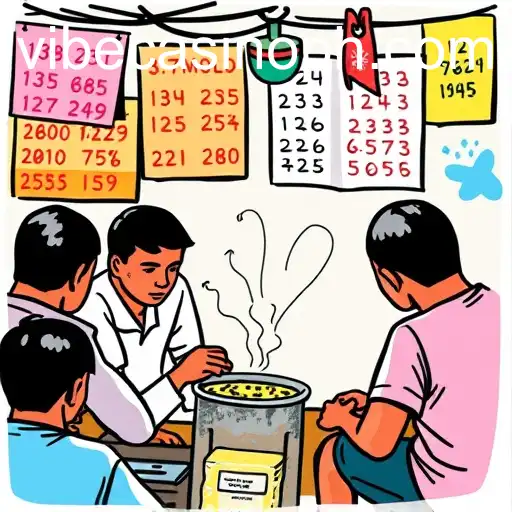
At its core, Jueteng is a simple game. Participants choose a combination of numbers, typically between one and thirty-seven. Following the collection of bets, two numbers are chosen at random, often by balls drawn from a container or similar rudimentary means. Winnings vary depending on the risk structure set by the local 'cobrador' (collector) or 'jueteng lord', but returns can be substantial, sometimes up to 800 times the bet.
Socio-Economic Drivers
Jueteng thrives due to socio-economic factors entrenched in regions where legitimate income opportunities are scarce. In many heartlands, the game is not just a form of quick cash; it represents hope against economic hardship. Additionally, its deep-rooted presence in communities has been sustained by cultural acceptance, with generations partaking in the game as a daily routine. The parallels drawn to legal gambling institutions demonstrate Jueteng’s shadow over its participants’ lives, with stakes sometimes as high as life itself.
Jueteng and the Philippine Economy
While illegal, Jueteng's economic footprint cannot be underestimated. It circulates significant funds across communities and provides employment for many as collectors and coordinators. Despite its illegitimacy, a symbolic yet substantial 'tax'—payoffs to local officials and law enforcement—indicates its integral albeit controversial role in the local economy. Furthermore, the financial inflow from Jueteng can occasionally stabilize livelihoods, albeit at the cost of perpetuating an underground industry.
The Role of Corruption and Power
The enduring nature of Jueteng is frequently attributed to corruption. Allegations regularly surface that local officials are complicit in its operations, receiving payoffs in exchange for turning a blind eye. This complicity extends to some police agencies, notoriously famous for augmenting their earnings through protection fees. Thus, Jueteng operates within a web of power dynamics that not only involves money but also political capital, asserting its grip across different strata of governance.
Introducing Online Dimensions: Vibe Casino
In recent years, the gambling landscape has evolved with the infiltration of digital platforms such as Vibe Casino. These online casinos are redefining the engagement with games of chance by offering more accessible alternatives. Although Vibe Casino operates legally within federal guidelines, its presence has a trickle-down effect on perceptions towards gambling, sometimes normalizing it further. Its popularity has surged, aided by the rise of mobile technology and the internet, driving curiosity in traditional gamblers to explore virtual arenas.
Effects on Traditional Jueteng
While Jueteng remains predominant in rural areas, digital platforms are increasingly captivating the younger, tech-savvy demographic. This shift is notable as it diversifies the means by which gambling is perceived and practiced. Online platforms like Vibe Casino offer safety nets that Jueteng does not, such as regulated environments and better odds transparency. Yet, they lack the tactile cultural ties that Jueteng nurtures through personal interaction with cobrador networks.
Legal and Ethical Debates
Legal attempts to curb Jueteng have had mixed success. While arrests make headlines, enforcement inconsistency undermines efforts for eliminating the game entirely. Ethically, debates are polarized between eradication and regulation. Critics argue that legalization could create transparency and state revenue, modeled after initiatives like the Small Town Lottery (STL), designed to draw gamblers away from Jueteng by providing a legal avenue that mimics its framework.
Shaping Future Norms
As the gambling landscape shifts, the future of traditional games like Jueteng hangs in a delicate balance. Authorities face challenges in neutralizing the game while encouraging legal economic alternatives. The introduction of entities like Vibe Casino into this mix blurs the lines further between legal and illegal gambling. However, with a strong societal will and strategic measures, culturally ingrained practices such as Jueteng might evolve or diminish to favor a more regulated environment.
Conclusion
The complex world of Jueteng, entwined with socio-economic, cultural, and political threads, continues to challenge norms in the Philippines. Its operation alongside rising digital gambling platforms like Vibe Casino paints a picture of a transforming gaming landscape. Understanding this dynamic requires navigating the realities that tie both underground and regulated gambling into the broader economic and cultural tapestry of Filipino society.